 Eco-Friendly & Sustainable Bags
 Fully Compliance-Audited Factory
 All Facilities Under One Roof
 Replacing Plastic Bags
 Empowering Families
 Trusted Manufacturing Partner
 Exporting Worldwide
 Sustainable Packaging & Ethical SourcingEco-Friendly & Sustainable BagsFully Compliance-Audited FactoryAll Facilities Under One RoofReplacing Plastic BagsEmpowering FamiliesTrusted Manufacturing PartnerExporting WorldwideSustainable Packaging & Ethical SourcingEco-Friendly & Sustainable BagsFully Compliance-Audited FactoryAll Facilities Under One RoofReplacing Plastic BagsEmpowering FamiliesTrusted Manufacturing PartnerExporting WorldwideSustainable Packaging & Ethical Sourcing
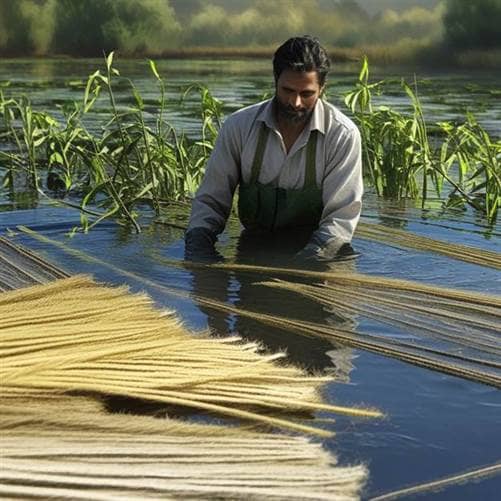
Water Retting
Water retting is the traditional method used for extracting fibres from the stalks of jute
This process involves the immersion of jute stems in water to facilitate the separation of fibres from the non-fibrous material, also known as the hurd or woody core. The retting process typically follows the harvesting of mature jute plants.
Water retting is a cost-effective and environmentally friendly method for extracting jute fibres
The retting process relies on the action of microorganisms, primarily bacteria and fungi, which break down the pectins and lignins that bind the fibres to the hurd.
The retting duration can vary based on environmental conditions such as water temperature, microbial activity, and the desired quality of the jute fibres. It usually takes one to two weeks for the retting process to be completed.
See the jute bag manufacturing process as a whole, or use the button below to read more about the next stage of the process.

Quality & Reliability
From raw material to final product, we ensure strict quality control and timely delivery for international buyers.
10+
Years Experience
15+
Countries Exported
500+
Product Designs
1M+
Bags Supplied
